
Lifted ISSA's Top-of-Funnel Meta ROAS +53% in six months, while monthly Bookings climbed 24%.
+53%
Meta ROAS, transition floor to exit
+24%
Monthly Bookings vs agency baseline
−30%
CPL trajectory during the engagement
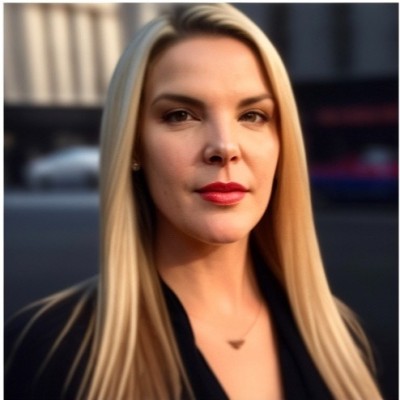
"Stepping into my role, I knew our Meta campaigns needed an immediate intervention due to stale assets and general inefficiency. Teaming up with Movement Ads allowed us to execute a complete strategic rebuild. From aggressively reallocating our budget to launching a brilliant video production process, their expertise paired with our new direction turned a failing channel into a massive success story. We successfully scaled our growth while impressively reducing our CPL by 30%."
The Result
Meta ROAS, monthly
December through June. Engagement period shaded.
What was broken
ISSA (International Sports Sciences Association) inherited a Top-of-Funnel Meta acquisition account from an incumbent agency that was mis-managing spend quite drastically. Meta is their primary TOF acquisition channel. We started transitioning the account in January. January should have been peak season, the year's strongest New Year demand window for their category. Instead it was the ROAS floor of the prior twelve months, one of the worst months on record despite the calendar saying otherwise. Spend climbed into the high end of the run rate and bookings did not keep pace.
The diagnosis was structural and creative: too many campaigns with low performance eating significant budget. Creative had stopped grabbing attention, and Meta's algorithm did not respond well to the engagement slump that followed.
What we did
Step 01Budget reallocation.
The account had dozens of campaigns competing for spend, with CPLs varying 3x or more across campaigns. We consolidated aggressively, cut the campaigns burning budget at 2 to 3 times the account average, and concentrated spend on what was already working. The CPL effect was immediate, with the account-wide trendline bending down within weeks of full operating control.
Step 02A fresh video assembly line.
Meta rewards fresh inventory. The brand's creative had stalled, so we built a system to keep new video coming in on a real schedule. The first attempt was UGC creators. Quality was sub-par. So we pivoted, taking a page from Nike's playbook: we started reaching out to trainers, not creators, to tell their stories. Day in the life. Biggest fears. What they loved about helping clients. What advice they would give someone starting out. Real, specific, human. Nothing directly about the product.
The mechanics were an assembly line. Small budget for outreach. Content flowing in continuously. Editors briefed on top performers and why we thought those were winning. Iteration on the winners running alongside net-new concepts, on a fixed cadence so the algorithm always had options to compare against.
The Iteration Pattern
Meta creative launches, monthly (evergreen)
September through June. Engagement period shaded. Promotional BFCM ad launches excluded for apples-to-apples comparison.
Excluding BFCM promotional creative, monthly evergreen launches went from a ~24/mo agency-period average to ~76/mo across the engagement, a 3.14x increase. A few things the data taught us:
- Two messaging sets dominated, both around the economics of being a trainer, making money, building a career.
- Hooks with dynamic editing won. Cuts that felt almost weird outperformed clean cuts.
- Higher-quality video footage mattered, more than expected.
- Rap and trap music, edited to hit frame changes, consistently beat softer music choices.
- Faces mattered, but not gender. Some creators just worked no matter the concept. Some never worked no matter what we tried. The male/female split did not move the needle.
The Attention Rate
Meta hook rate, monthly (video, spend-weighted)
January through June. Spend-weighted across video creative running during the engagement.
The proof of this work wasn't only in CPL. The bigger movement was in hook rate, monthly revenue, and backend ROAS.
Step 03Cross-platform priming.
We rendered the top-converting Google search terms as headline banners directly into the Meta videos: the exact high-intent phrases users were typing in. When users who had seen those videos later searched those phrases on Google, they were measurably more likely to engage. The two channels stopped being separate buckets and started reinforcing each other.
What happened
Hook rate climbed throughout the engagement and peaked at 28.1% in April. CPL came down from the January floor to exit on a 30% improvement across the engagement trajectory.
Monthly Meta-driven Bookings climbed 24% at the exit month against the agency-period baseline. AOV climbed 12%. Fewer leads converted on a raw percentage basis, but the ones that did spent meaningfully more. That is what quality traffic looks like in revenue terms: lower lead cost, higher value per customer.
The Revenue Climb
Meta Bookings, monthly
July through June. Engagement period shaded. Vertical dashed line marks the start of full operating control in March. Source: client backend reporting.
ROAS climbed with all of it — a 53% lift from the January floor to exit. Total account ROAS (Meta plus Google plus TikTok) also climbed across the same window, which confirms the Meta gain was real lift, not credit shifting between channels.